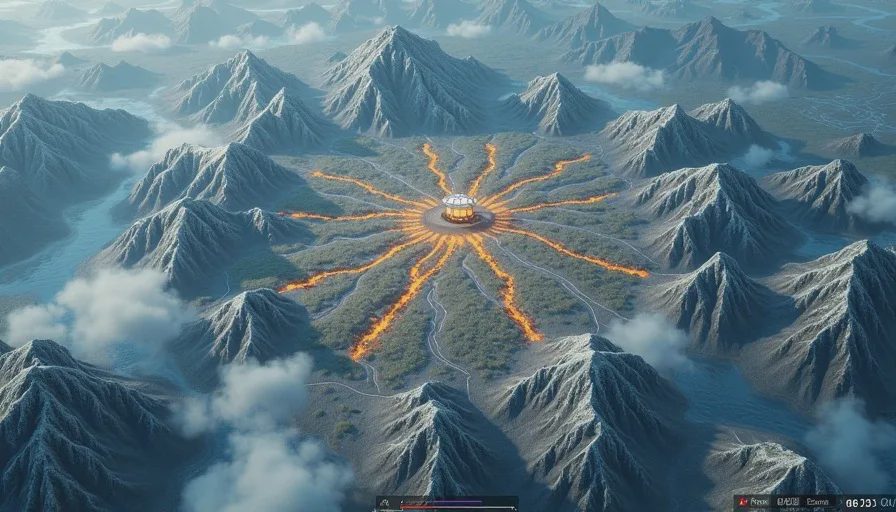
Open-world games often sell freedom while quietly charging an attention tax. Between the moments that feel designed and the stretches that feel like maintenance, many players lose hours without gaining much in return. Game pacing analysis is one of the few tools that can name this cost clearly. This piece looks at dead time, busywork, and the structural habits that turn large maps into ongoing obligations rather than sustained experiences.
I have edited enough open-world coverage to recognize the pattern. The first few hours establish wonder and systems. The middle stretch begins to fill with repeated collection loops, travel friction, and checklist tasks that exist mainly to justify the scale of the map. By the time the story returns with force, many players have already paid more attention than the design has earned.
What Counts as Dead Time
Dead time is not the same as rest. Rest can be intentional—a quiet stretch that lets the player absorb tone or recover focus. Dead time is the interval in which the game asks for continued input without advancing understanding, emotion, or meaningful choice. It is the tax levied for the privilege of existing inside a large world.
Common Sources of the Tax
The following list captures the most frequent sources I encounter when reviewing modern open-world titles:
Long travel segments with limited points of interest and no meaningful player agency beyond holding a direction
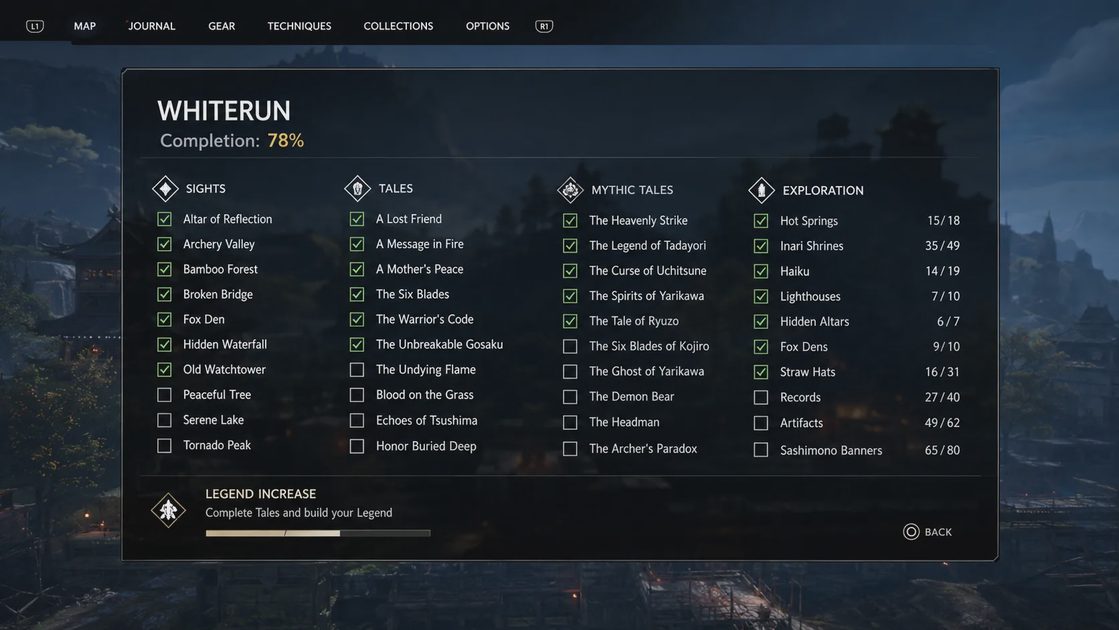
Collection systems that reward completion percentage more than insight or pleasure
Side activities whose only narrative function is to keep the player inside the world
Interface layers that require repeated menu navigation for basic information
Resource loops that exist primarily to slow progress toward the next designed beat
These elements are not automatically failures. Some games use them with clear intent. The problem appears when they become the default texture of the middle hours rather than occasional texture. At that point the design has started to treat the player’s attention as an inexhaustible resource.
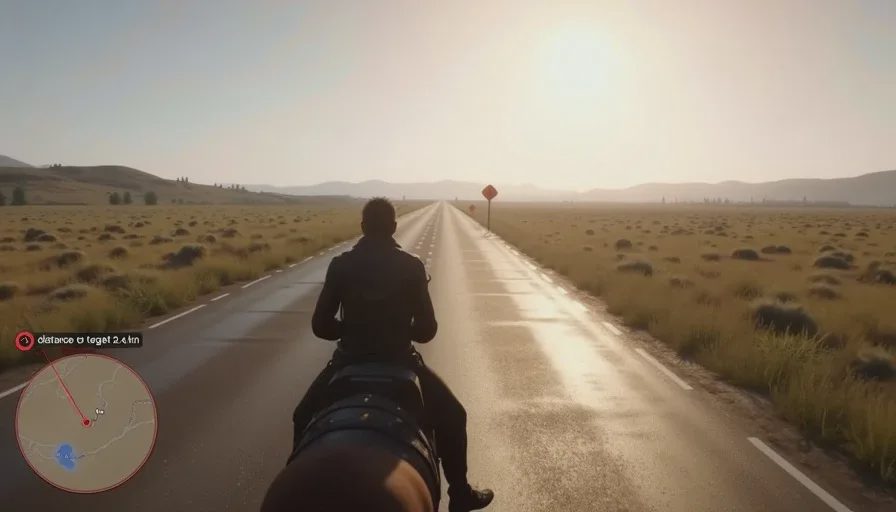
Busywork Versus Productive Repetition
Not all repetition is busywork. Productive repetition teaches. It lets the player refine judgment, discover new angles on a system, or feel the weight of a choice across multiple encounters. Busywork simply consumes time while returning little new information.
Here is a practical comparison I use when evaluating open-world structure:
Aspect | Productive Repetition | Busywork / Dead Time |
|---|---|---|
Player learning | New insight or refined skill | Same action with higher numbers or volume |
Emotional register | Builds attachment or tension | Flattens into obligation |
Design transparency | Clear why the loop exists | Loop justified mainly by map size |
Residual memory | Specific moments remain | General sense of having “done content” |
Exit condition | Player can leave without penalty | Completion percentage or checklist pressure |
The distinction matters because many marketing materials treat scale itself as value. Scale without purposeful rhythm becomes an attention tax. Games that stay with you usually protect the player’s hours more carefully than the size of their map would suggest.
The Twelve-Hour Checkpoint
I have a personal checkpoint around the twelve-hour mark. By then most open-world systems have revealed their true density. If the design is still introducing meaningful constraints or emotional stakes, the tax remains tolerable. If the design has settled into a steady diet of checklist tasks and travel padding, the remaining hours become harder to justify.
This is not a universal rule. It is a working habit developed from years of assigning reviews and then living with the games after the scores posted. The question is always the same: is the game still earning the attention it is taking?
Practical Ways to Measure the Tax
Players with limited time can apply a few concrete checks without waiting for a full completionist run.
Track how much of the last two hours felt like forward motion versus maintenance.
Notice whether new activities still change how you think about the world or simply fill another bar.
Ask whether the map’s size is serving curiosity or simply delaying the next designed sequence.
Watch for interface friction that exists mainly to slow access to information you already need.
Be willing to stop when the remaining content feels like obligation rather than invitation.
These checks are not anti-open-world. They are anti-waste. A large world can still feel coherent if the designers treat attention as finite. When they do not, the player ends up subsidizing the scale with hours that could have gone to clearer work.
Why This Matters for Criticism
Coverage that celebrates map size without examining rhythm ends up endorsing the tax. Editorial game reviews can still push in the other direction. The job is not to demand smaller games. The job is to ask whether the hours between the memorable moments are doing real work or simply keeping the player busy until the next scripted beat.
I left the day-one cycle partly because I was tired of watching solid systems get buried under busywork that existed to justify a marketing claim about scale. Not every good game is worth your time. Some of the ones that look largest on paper are the ones that charge the highest attention tax for the least residual meaning.
The modern open-world form is not doomed. It simply needs more designs that treat the player’s hours as a limited resource rather than an open budget. Until that becomes common, the honest response is to name the dead time when it appears and decide accordingly.





No feedback yet — submit the first.