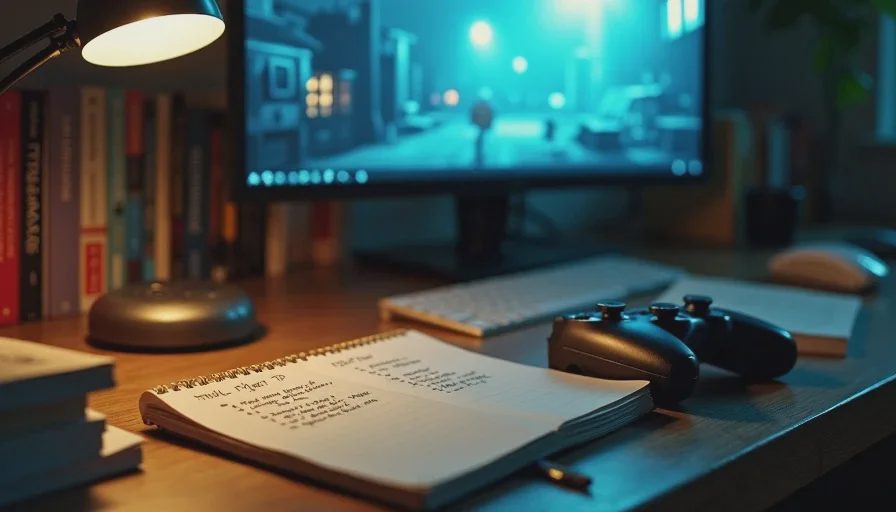
When I was still on staff at a regional outlet, my editor told me something I never forgot: "The first hour tells you everything the press kit won't." She was right, and she was talking about game pacing analysis before anyone in our newsroom used that phrase as a discipline rather than a casual observation. I have spent the years since treating tutorials and opening sequences not as hurdles to skip but as the most transparent window into a developer's intentions, compromises, and confidence. The tutorial is where a game stops selling itself and starts teaching itself—and that transition reveals more than any trailer or review embargo briefing ever could.
What a Tutorial Actually Reveals About Pacing
A tutorial is not just an instruction layer; it is a pacing statement. The way a game chooses to teach you its mechanics tells you how it values your time, how much it trusts you, and whether its later systems are built on rhythm or on clutter. This is the foundation of any serious game pacing analysis: you read the opening not for what it says but for how it moves.
Reading the First Hour as a Pacing Document
In my own practice, I approach the first hour of any game with the same four prompts I write in my notebook before pressing start:
What does this game want? — Is the tutorial teaching survival, optimization, expression, or spectacle?
What does it refuse? — What mechanics are deliberately withheld, and does that restraint feel purposeful or padded?
What does it waste? — Are there redundant prompts, repeated animations, or unskippable corridors that signal deeper pacing problems?
What remains? — After the hand-holding stops, what actually sticks in your hands and your head?
These four questions map directly onto the structural concerns I track in editorial game reviews. A game that teaches you three systems in twenty minutes and then never uses two of them again has told you something about its development priorities that no post-launch patch notes will admit. When I do game pacing analysis for my newsletter, I treat these prompts as diagnostic questions, not review criteria—they help me understand why a game feels the way it feels before I try to explain that feeling to a reader.
When Tutorials Expose Structural Fractures
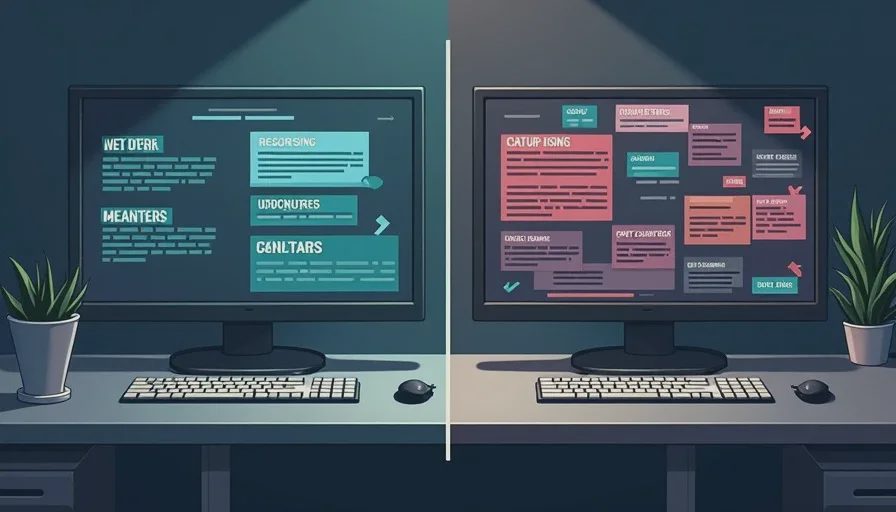
The tutorial is where structural honesty lives—or where it starts to collapse. Games that front-load complexity without rhythm are often compensating for systems that never cohere; games that withhold information past the point of curiosity are often hiding the fact that their core loop is thinner than the marketing suggests. I have seen this pattern repeat across AAA and indie titles alike, and it is one of the most reliable indicators I use in long-form editorial game reviews. The opening hour is a developer's most exposed moment: they have to make a stranger competent, and they cannot hide behind scale or spectacle to do it.
Case Patterns from a Decade of Reviewing
I keep a loose mental ledger of tutorials that told me the truth about games that reviewers otherwise oversold, and tutorials that quietly warned me about games the community later abandoned. Here is a simplified version of what that tracking looks like:
Tutorial Signal | What It Usually Indicates | Subsequent Pacing Outcome |
|---|---|---|
Teaches one verb at a time, then combines them | Confidence in layered systems | Sustained engagement through mid-game |
Front-loads every system in a single hub | Anxiety about perceived value | Menu fatigue within 3–5 hours |
Withholds core mechanic past first boss | Artificial gating for runtime padding | Pacing sag in second act |
Lets you fail early with low stakes | Trust in player adaptability | Recovery loops feel earned, not punishing |
Repeats prompts you already demonstrated | Lack of confidence in retention | Redundant structure persists throughout |
This is not a scoring rubric. It is a reading method. When I sit down to write a piece for my newsletter or a guest spot on a podcast, I reference this table not to rank a game but to explain why it feels the way it feels. That distinction matters because thoughtful game reviews should account for structural cause, not just emotional effect. A tutorial that front-loads six systems into a single hub is not bad—it is anxious, and anxiety in a tutorial almost always metastasizes into the full game.
The Tutorial as Honesty Test—and What It Means for Players
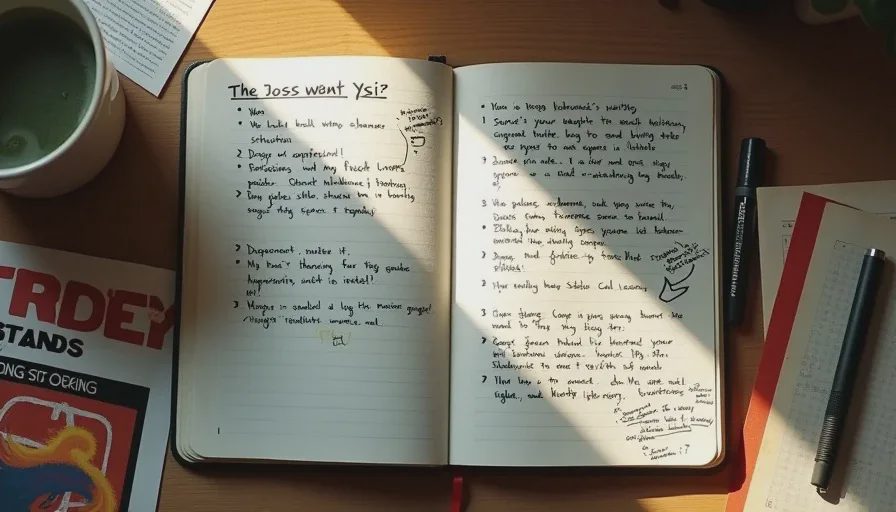
The reason I keep returning to tutorials in my writing is that they are the one part of a game a developer cannot fake. A trailer can be cut to hide a broken progression. A demo can cherry-pick the strongest encounter. But a tutorial has to actually function—it has to make a stranger competent enough to play. That functional requirement strips away the marketing language and leaves you with the game's real skeletal structure. When that skeleton is well organized, the pacing carries you. When it is not, no amount of later polish can fully recover the lost trust. This is why game pacing analysis should start at the tutorial, not at the credits.
I think about this a lot when readers ask me whether a hyped release is worth their weekend. My answer is almost always rooted in what I observed in the first hour, not what I felt at the end. If a game teaches itself with clarity, restraint, and rhythm, that is a developer who understood their own work. If it teaches itself with anxiety, overcompensation, or padding, that is a developer who was not given the time to finish thinking—and the rest of the game will bear that out. I have walked enough late-night loops through my Madison neighborhood listening to game podcasts and film scores to know that the feeling I carry away from a game is usually seeded in that opening hour, not in the finale.
Not every good game is worth your time. Some are well-crafted but overlong, mechanically sound but emotionally inert, generous in content but stingy in meaning. The tutorial will not tell you everything, but it will tell you more than the back of the box, the store page, or the launch-day discourse. It is the one section of a game written for someone who does not yet know whether they want to stay—and that honesty, whether comforting or uncomfortable, is where genuine evaluation begins. In editorial game reviews that aim to respect the reader's time, that is the most useful place to start looking.





No feedback yet — submit the first.