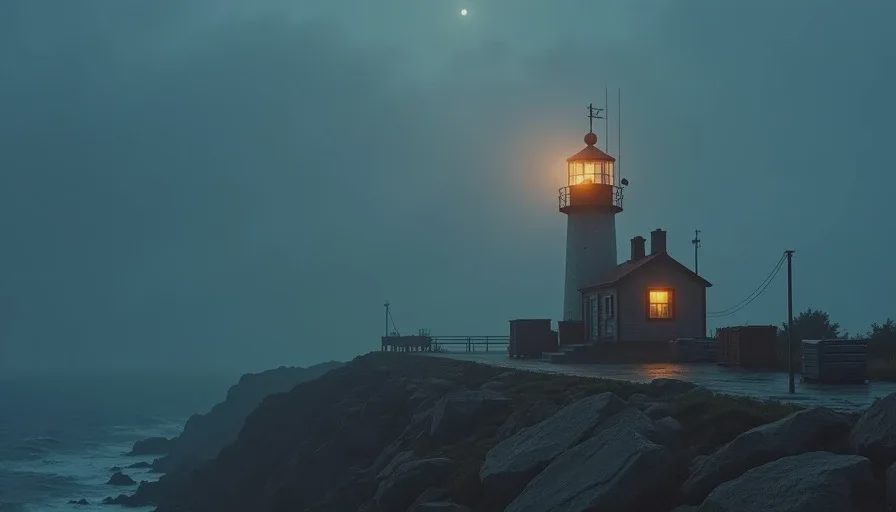
Every few months, a game slips out without a publisher push and quietly takes over the small corner of the internet where I live. This month that game is Tidewater Station, a two-person project about running a failing lighthouse radio station on a coast that does not appear on any map. I have been writing the kind of best new indie games review that treats a release like this as news rather than noise, and Tidewater Station is the strongest argument I have seen in months that craft can carry a project even when its stated meaning collapses under inspection. Not every good game is worth your time. This one is — for reasons I want to lay out carefully, and for reasons that have almost nothing to do with what the developers seem to think their game is about.
The Machine Under the Mood
Strip away the fog and the typewriter font, and Tidewater Station is a small resource-management game with a clock on it. Each in-game day you allocate a limited number of actions among three chores: fueling the lighthouse, repairing the antenna, and answering a stack of letters from a town that stopped existing three years ago. The system is responsive enough that your choices visibly change the next morning, and that responsiveness is the whole trick. The mood earns its adjectives because the machinery underneath is honest.
A Loop You Will Want to Keep Running
The daily loop is what kept me seated. The game gives you just enough to do, never more, and it never wastes an evening with filler tasks.
Each day opens with a weather report and one new letter, and both feed the same decision: keep the light burning or let it die to save fuel.
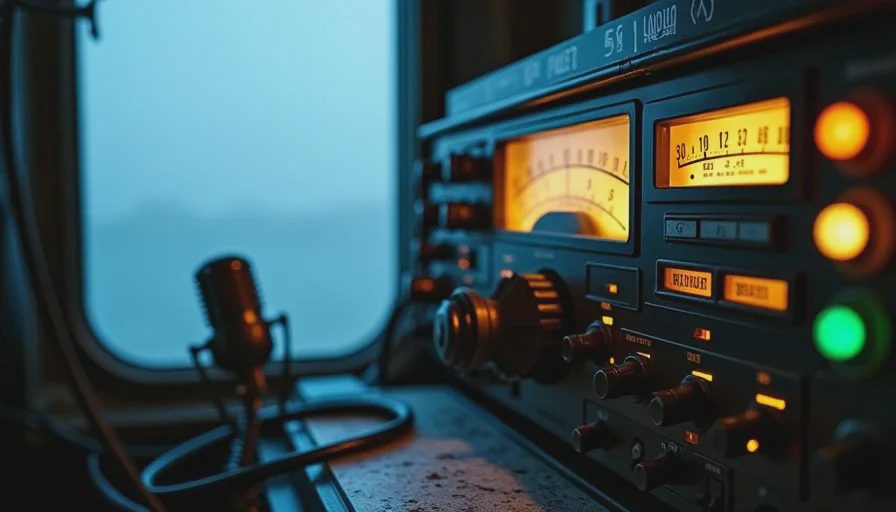
The transmitter logs listeners in real time, and the numbers feel human — a fisher, a night nurse, a retired teacher — rather than abstract statistics.
Failures are gentle. Let the light die twice in a row and the coast gets darker; there is no game-over screen, only consequences.
Time as a Resource, Not a Meter
The discipline here is worth stealing. Most games that want to feel meditative put a timer on screen and call it poetry. Tidewater Station instead treats time as a material you hold in your hands: each action costs an hour, and the day only has so many. It is the same discipline that makes good strategy board games work, and I should know — I spend my weekends hunched over those, hunting for a copy of an old rulebook at my favorite used shop in Madison whenever I am not writing.
Where the Meaning Gets Wobbly
Here is the honest part, and the part I want you to remember when the next wave of praise posts rolls in. The mood is real and the systems are tight, but the game's stated themes — memory, grief, the obligation to keep a light on for people who have left — are written on top of the systems rather than through them. Tidewater Station is better at mood than meaning, and I do not think that is a small criticism. It is the difference between a poem and a poster of a poem.
The Script Overwrites the System
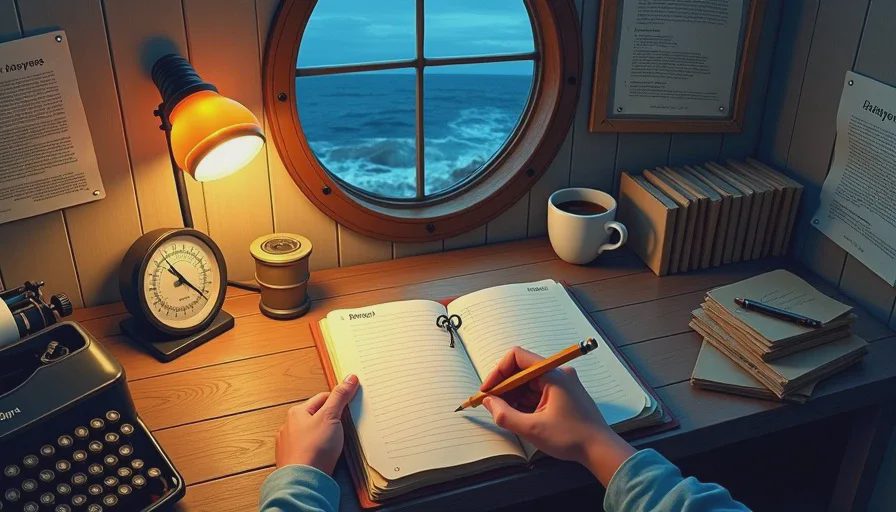
Around hour eight, the letters stop being clues about the people listening and start being a novel. The characters begin explaining the game's metaphors out loud, and the careful silence that made the first hours so good is replaced by a narrator who will not stop telling you what the lighthouse represents. The systems are still running underneath, but the writing stops trusting them, and the game starts telling instead of showing.
When Abstraction Turns Into Obligation
This is where the indie vs AAA game review conversation usually starts, and I want to be precise about it. The genre comparison matters because the same flaw gets praised in one context and forgiven in another.
The letters arrive on a scripted schedule, so the grief is always on rails — the game tells you when to feel sad, and it plays the same notes for everyone.
The final act trades your hard-won fuel and listener count for a cutscene, undercutting the very resource loop the game built so well.
For anyone budgeting a purchase, here is the practical data sheet:
Item | Tidewater Station |
|---|---|
Price (Steam) | $14.99 |
Playtime, first full pass | 9–11 hours |
Age rating | ESRB E10+ / PEGI 7 |
Save behavior | Scripted checkpoints only |
Accessibility | Subtitle sizing, reduced flashing, colorblind-friendly palette |
One practical note for people who, like me, buy too many games: the checkpoint-only saves mean you should stop at a day break, or you will redo an in-game day you have already lived. That is the single most useful thing to know before you buy.
What This Says About How We Should Review Small Games
I want to close with a broader point, because Tidewater Station has been the talk of my newsletter feed all month, and most of that talk is praise that mistakes atmosphere for achievement. The useful way to review a game like this is to separate craftsmanship from genuine artistic force; the two do not always arrive together. The craft here is real: the loop is balanced, the audio design is quietly excellent, and the pacing of the first five hours is a lesson in restraint. The artistic force is real too, but it lives in the moments the script stays quiet — the creak of the tower, a listener going silent mid-transmission — rather than in the speeches.
I keep four prompts pinned to my notebook: what does this game want, what does it refuse, what does it waste, what remains. Tidewater Station's answers are unusually clean. It wants to be held, it refuses to trust its own systems, it wastes its strongest idea (that silent radio log) on a talky second half, and what remains is a mood worth keeping. When I write my best new indie games review roundup for the newsletter at the end of the month, this one will sit near the top of the list — not because it says the most, but because it makes you feel the most.
For anyone keeping score on value, that is a fair trade at fifteen dollars. It is worth playing, and it belongs in any thoughtful game reviews rotation this season, especially for readers tired of hundred-hour open worlds. If you are new to this column, the rule I keep coming back to is that mood is a valid reason to play a game, but it is not the same thing as meaning, and confusing the two is how we get a year of games that look profound and say nothing.
Not every good game is worth your time. Tidewater Station is — but bring the right expectations, and let the script disappoint you less by listening to the coast more.





No feedback yet — submit the first.