Super Mario Bros 5 is the kind of phrase that can turn a quiet afternoon into a familiar argument. Is it an unannounced Nintendo project, a fan-made continuation, or simply the next imagined chapter in a series that has never stopped being discussed? At the time of writing, there is no officially announced Nintendo game carrying that exact title. That absence matters. It means the interesting question is not whether a rumor sounds exciting, but what a real sequel would need to justify its existence.
Mario has survived because Nintendo understands rhythm better than almost any other game company. A jump has weight, a level has a sentence structure, and a new mechanic must earn its place through play rather than a trailer. Any future Super Mario Bros 5 would face a difficult task: follow the inventive Super Mario Bros. Wonder without becoming a museum piece filled with references.
What the name actually tells us
The title Super Mario Bros 5 suggests direct continuity, but Nintendo has rarely treated the numbered mainline games as a simple ladder. The original Super Mario Bros., Super Mario Bros. 2, Super Mario Bros. 3, and Super Mario World established one lineage, while later 2D entries used subtitles, remixes, and new visual identities. Even New Super Mario Bros. U did not present itself as a clean fifth chapter.
That history makes the keyword more useful as a search term than as evidence of a product. People searching for Super Mario Bros 5 may be looking for a release date, a trailer, a playable fan project, or an answer to a basic question: is Nintendo making another traditional Mario platformer? So far, the sensible answer is to separate official information from wishful packaging. A thumbnail, forum post, or fan video is not the same thing as a Nintendo announcement.
The title also carries an expectation of importance. Number five sounds like a return to fundamentals, perhaps a game that wants to define the next era of 2D Mario rather than merely add more courses. That is a promising idea, but a number alone cannot provide conviction.
The shadow cast by Super Mario Bros. Wonder
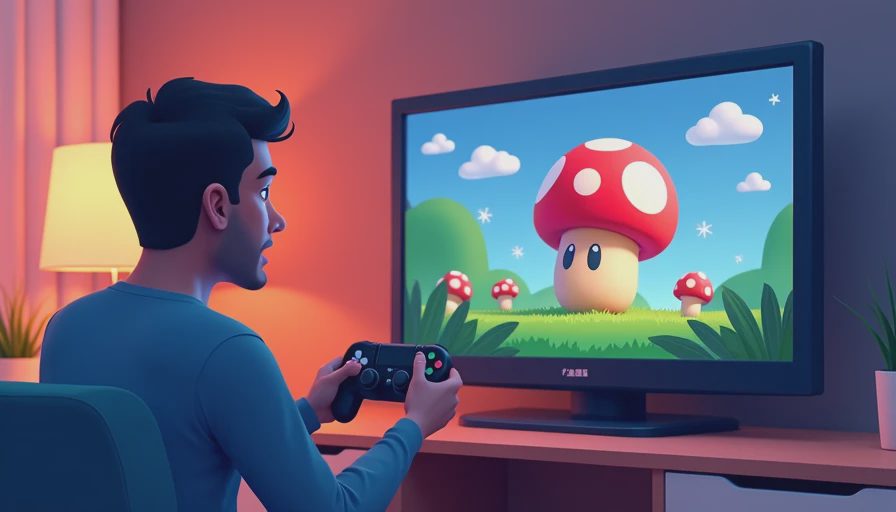
Any discussion of Super Mario Bros 5 has to begin with Super Mario Bros. Wonder. Wonder refreshed the familiar side-scrolling format through expressive animation, unusual transformations, the Wonder Flower, and a livelier sense of surprise. It did not reject the old Mario grammar. It loosened it, giving designers room to make pipes, enemies, and scrolling stages feel strange again.
A follow-up should not simply copy the Wonder Flower with a different coat of paint. The strongest parts of Wonder came from the tension between recognition and disruption. You knew how a Goomba behaved, but the level could still make that knowledge briefly unstable. You understood the timing of a jump, yet a stage could ask you to rethink the rhythm without turning the game into a chore.
For Super Mario Bros 5, the challenge is therefore structural. Nintendo would need to find a new way to interrupt expectation while preserving the clean physical language that makes Mario approachable. More transformations are not automatically better. A single mechanic that changes how players read space could be more memorable than ten disposable power-ups.
What a great sequel should refuse
The next game should refuse the pressure to make every moment louder. Modern platformers often confuse variety with value, placing a new gimmick in every room until nothing has time to settle. Mario is at his best when a mechanic receives a proper introduction, develops through complication, and then disappears before exhaustion sets in.
Super Mario Bros 5 should also resist turning nostalgia into the entire design. Familiar castles, underground stages, and remixed music can create warmth, but recognition is not the same as memory. A reference works when it changes the meaning of a scene. It becomes clutter when the player is expected to applaud simply because an old object returned.
This is where Nintendo's restraint would matter. The game does not need a darker plot, a cinematic campaign, or a sprawling open world to feel ambitious. It needs levels with distinct identities, secrets that reward attention, and movement that remains satisfying after the novelty fades. The refusal to overexplain could become one of its greatest strengths.
The features that would earn another playthrough
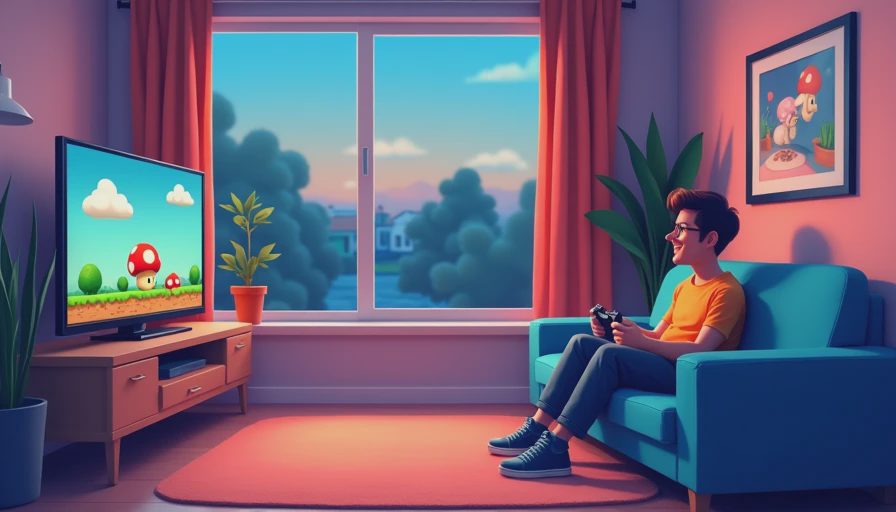
A worthwhile Super Mario Bros 5 would need more than a large number of stages. It should offer a campaign with meaningful variation, optional challenges for experienced players, and a multiplayer mode that feels designed rather than attached at the end. Local co-op can be chaotic fun, but good level design must account for the way multiple bodies occupy the same space.
A flexible difficulty structure would help adults who have limited time. Players could move through a readable main route, then choose tougher rooms, timed trials, secret exits, or expert challenges. That approach respects both the person playing after work and the person who wants to spend an evening perfecting a single jump.
The game should also make exploration feel legible. Super Mario Bros. Wonder used badges and map structure to give players reasons to look beyond the obvious path. A sequel could go further with interconnected stage choices, alternate routes, or challenges that alter how a level behaves. The important point is that optional content should reveal another side of the design, not merely increase enemy speed.
Does Super Mario Bros 5 need to be on new hardware?
Hardware can shape a platformer, but it cannot supply ideas. A new system might allow larger stages, denser animation, faster transitions, or more ambitious multiplayer effects. None of those improvements matters if the game lacks a strong visual identity and a reliable sense of rhythm.
The best case for a new platform would be seamless movement between compact scenes and more elaborate set pieces without loading interruptions. Imagine a level that begins as a precise obstacle course, opens into a moving machine, and then folds back into a quiet puzzle room. The technology would be useful because it supports pacing, not because it gives the marketing department another number to print.
For players deciding whether to follow Super Mario Bros 5 news, this is the useful distinction: watch for evidence of design direction, not just hardware speculation. A logo and a release window tell you very little. A short demonstration of one complete mechanic can tell you much more.
The verdict window
Right now, Super Mario Bros 5 is best understood as an open question rather than a confirmed game. There is no reason to treat fan art, retailer listings, or rumor videos as proof. There is, however, plenty of reason to discuss what a sequel should be. The series has enough history to support another chapter, but history can become a burden when designers mistake familiarity for purpose.
I would want Super Mario Bros 5 to be smaller in ambition than the internet imagines and sharper in execution than the title implies. Give it a mechanic with real consequences. Give its levels room to breathe. Let its music, movement, and visual comedy create memories instead of simply pointing toward old ones.
Not every good game is worth your time. A future Mario platformer will earn that time only if it can make the first jump feel newly considered. Until Nintendo provides something concrete, the right response is patience: enjoy Wonder, revisit the older games, and judge the next announcement by what it plays like rather than what its number promises.



No feedback yet — submit the first.