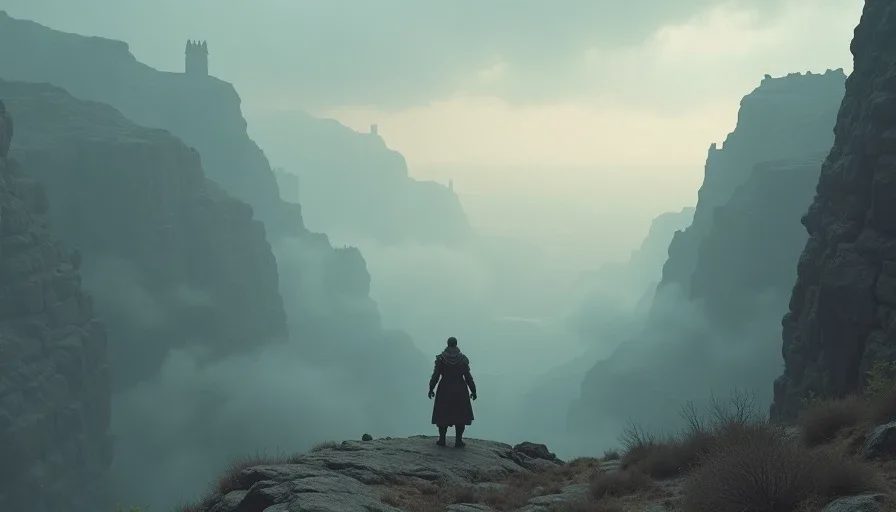
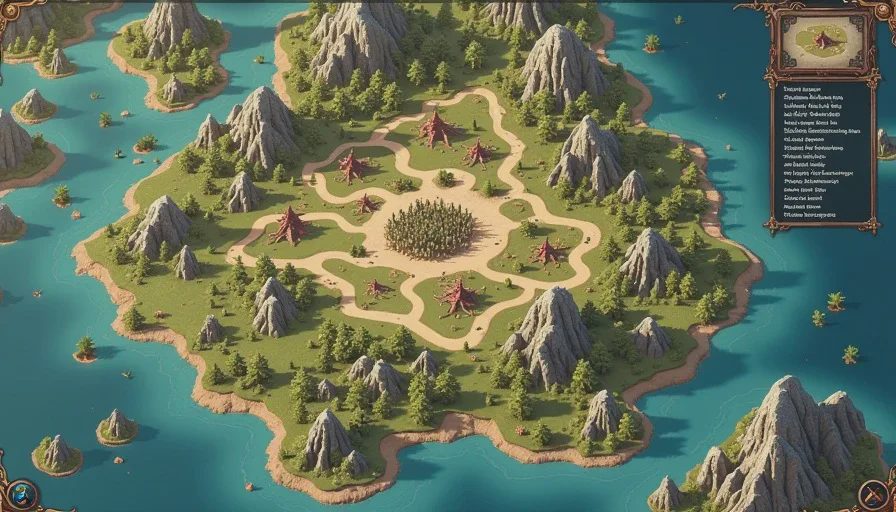
I spent forty hours inside a new role-playing game last week, the kind of release that gets discussed in budget figures and map-square acreage on every AAA game review blog that cares about the genre. By the twenty-hour mark I had stopped wondering what it wanted to say, and that is precisely the problem. Long form video game reviews exist to separate the experience of size from the experience of meaning, and this title made that separation painfully clear. You can fill a world with content and still walk away feeling that the creative ambition never matched the square mileage.
When the Map Stops Meaning Something
The conclusion is blunt: this RPG confuses volume with vision. Every fast-travel point unlocks, every quest log fills, every crafting tree branches, and none of it accumulates into a coherent artistic statement. I kept waiting for the connective tissue — the single idea that would make the geography feel authored rather than assembled — and it never arrived.
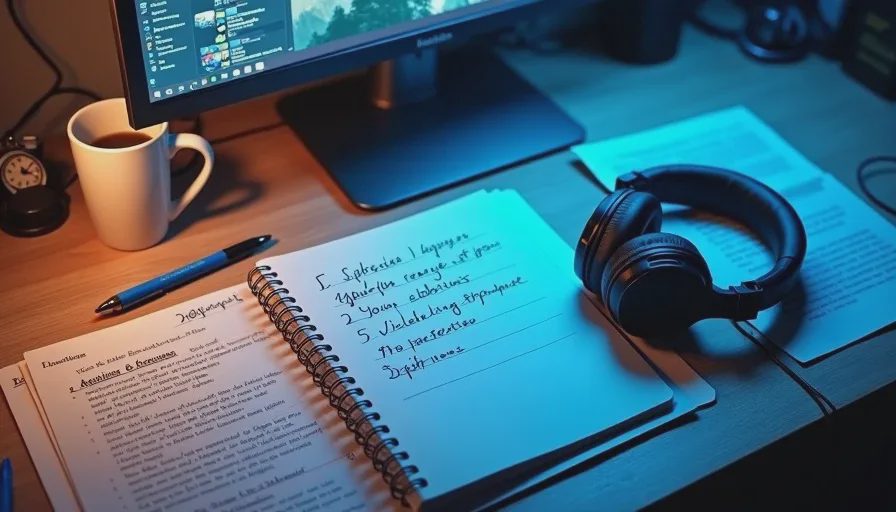
I keep a notebook beside my desk with four questions I ask before I write any review: What does this game want? What does it refuse? What does it waste? What remains? After forty hours, the honest answer to the first question is that the game itself does not seem to know. It refuses almost nothing; every mechanic from every popular RPG of the last decade shows up here like a houseguest who forgot to leave. What it wastes is the one thing no developer can buy back: the player's attention budget.
The Scale Tax
Here is what large-scale development actually costs you as a player, based on what I tracked across my playthrough:
What the Game Adds | What You Actually Lose |
|---|---|
A fifth regional biome | A narrative throughline that ties the regions together |
Procedural side activities | Time that could go to handcrafted set pieces |
A second skill tree | Clear character identity and build legibility |
Romance options for every companion | The dramatic weight of any single relationship |
None of these additions is bad in isolation. The issue is that each one dilutes the creative signal. A studio with eight hundred people across four continents can produce a map the size of a small country, but the coordination overhead means the boldest creative instincts — the ones that would give the game a voice — get sanded down so they ship safely. That is not a failure of effort. It is a structural reality of how enormous teams make decisions, and it is the first thing this AAA game review blog looks for when a big release rolls in.
Pacing, Tone, and the Missing Voice
The harder conclusion to write is that the game is well-made and still does not matter. Craftsmanship is not the same as genuine artistic force, and this is where I separate the two on every long form video game review I publish. Production quality and creative conviction are different currencies, and only one of them compounds over time.
I walked the lakefront in Madison at midnight after a long session, listening to a podcast dissect the same title, and the host kept reaching for the word "polished." He was right. The animation blending is smooth, the lighting pipeline is sophisticated, the orchestral score swells at the correct moments. But polish is a surface quality. Voice — the thing that makes a game stay with you the way a film or a novel stays with you — comes from creative conviction, and conviction requires a willingness to cut, to commit, to refuse. This game refuses nothing.
Where the Craft Ends and the Art Begins
Consider the companion writing. One companion arc genuinely moved me: a retired soldier reckoning with a choice he made under orders, told across three quiet conversations that trusted the player to sit in silence. That arc has a voice. The other five companions have arcs that function, resolve cleanly, and vanish from memory within an hour of finishing them. The difference is not budget. The difference is that one arc was allowed to be specific and uncomfortable, while the others were workshopped until they offended no one.
This is the pitfall readers of serious game criticism should watch for in new releases: a game that offends no one rarely says anything. The studios most likely to produce genuine artistic force are not necessarily the ones with the largest teams. They are the ones whose creative leads still hold the authority to cut a feature, kill a subplot, or ship an ending that leaves a room quiet.
What an RPG Owes You
Here is the practical takeaway for anyone deciding whether to spend sixty hours in this world. The game will not waste your money — the production value justifies the price. But whether it earns your time is a separate question, and the answer depends on what you want from a role-playing game in the first place.
If you want a world to live in, a checklist to clear, and a landscape to photograph, this delivers all three with competence. If you want a game that leaves something behind — a character, an image, a single line of dialogue that surfaces unbidden a week later — this is not that game. I played it thoroughly and I will not think about it again.
That distinction matters because the market is full of enormous, well-resourced releases competing for the same weekend hours. A reasonable player can love mainstream games and still notice when a title is professionally assembled rather than creatively alive. Those are not the same thing, and pretending otherwise does a disservice to the games that genuinely achieve both.
Before committing to any oversized release — the kind this AAA game review blog gets pitched every single week — I run the same short checklist:
Can you name one moment from the marketing that felt personal rather than procedural?
Does the creative lead have a track record of cutting features for focus?
Does the quest log reward breadth over depth — and which one do you actually want?
My standing rule, borrowed from a former colleague on the reviews desk, is to ask whether a game respects the hours it requests. This one respects your time mechanically — generous save systems, clear objectives, no artificial friction. It does not respect your time dramatically, because it has nothing dramatic to commit to. Not every good game is worth your time. This one is good in the narrow professional sense. It just is not worth sixty hours when smaller, stranger titles are waiting on the same shelf.




No feedback yet — submit the first.