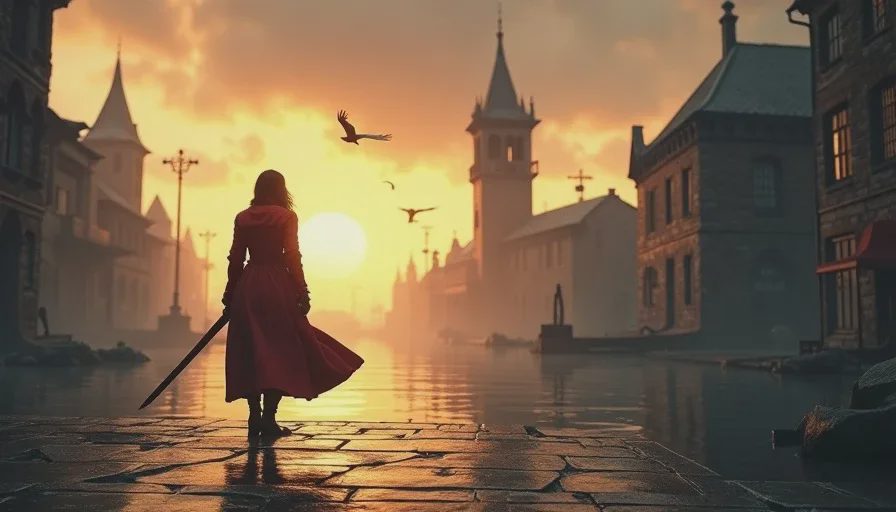
For anyone who reads a AAA game review blog the way I do — one eye on the craft, one eye on the calendar — this year's biggest action release is a strange kind of gift. It looks stunning and plays like a negotiation. I run The Verdict Window as a rule: wait out the launch-week fog, play the patched build, and judge a game on what it actually is once the applause stops. After forty hours across two difficulty settings, a full New Game Plus run, and a notebook page of field notes, I can say this plainly: Emberline is the most visually assured action game of the year, and it keeps undercutting its own confidence in ways both tiny and structural. This is a thoughtful game review, the kind I miss seeing in most outlets, and here is the headline — the game deserves your attention, but not automatically your money. Not every good game is worth your time. Emberline is good. Whether it is worth your time is what I am here to settle.
Emberline's publisher ran one of the tightest marketing windows in recent memory: three trailers, one demo, and no preview builds handed out until the week before launch. That scarcity worked. Pre-orders cleared projections, and the opening weekend sold out of physical copies in several regions. I have covered this industry long enough to know that a shortage is sometimes just a tactic, so I bought my copy the way I recommend on this AAA game review blog: retail, patched, on a machine that meets the recommended specs, with a stopwatch on my own patience.
What This Game Wants
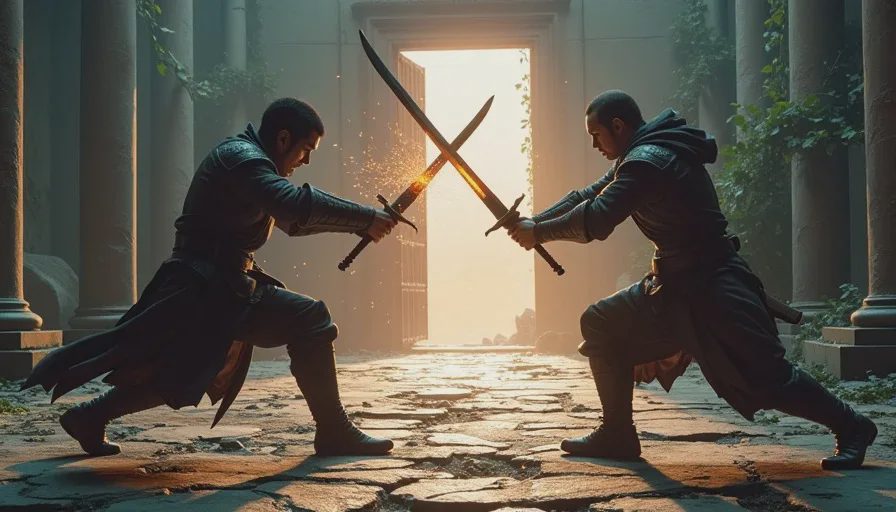
Emberline wants you to slow down, and that clarity is the entire reason the game works. The combat asks for patience — every weapon has a wind-up, every enemy attack has a tell you are meant to read rather than react to. It is the opposite of the spam-to-win design that has been dragging the action genre sideways for a decade. The developers clearly studied the posture system in Sekiro and the aggression economy in Bloodborne, then built their own language: you build "motion" by dodging into attacks, spend it on heavier strikes, and lose it the instant you panic. When the system clicks, fights feel like conversations.
But this is where the confidence begins to leak. The same team that designed these generous, legible fights shipped a parry window measured in single frames at launch. In the week-one build, parrying was a lottery ticket, not a skill. The day-one patch (version 1.02, roughly 6 GB) widened the window by about two frames and added an accessibility option to widen it further. I replayed the early bosses after the patch, and the difference is real — but the question of whether the game wanted me to react or to gamble stayed open for an entire opening weekend. That wobble is the whole review in miniature, and it is exactly the kind of note readers come to a AAA game review blog for.
The Handshake: Combat That Rewards Patience
When Emberline is working, it reaches a level few action games touch this generation. The animations carry weight without heaviness. The sound design — sword on plate, cloth in wind, the strange coral-choir that plays over boss encounters — tells you everything the screen is too busy to show. There were moments in my playthrough when I forgot I was reviewing it and just sat with it, the way you sit with a good meal. That is the experience I would want any new player to have, and it is why I am writing about the game at all instead of filing it under "pretty but hollow." The tools are there.
The World as a Mood, Not a Marketplace
The other thing Emberline wants is for you to walk. Its map — a flooded, half-sunken coastal empire — is deliberately stingy with fast travel. You are meant to move through the world, not teleport across it. The weather cycles slowly, the tide physically rises and falls, and entire enemy encounters reposition themselves based on the hour you arrive. It is the most atmospheric open zone I have walked this year, and it makes a strong argument that most open-world games are three times too big.
What the world does not do is respect your evening. The publisher shipped anonymized session data in a transparency report, and the completion curve is the compliance data every buyer should read:
Metric | Published figure |
|---|---|
Players who finished the main campaign | 34% |
Players who reached the midpoint (act 2) | 61% |
Players who cleared the postgame "Tide Runs" mode | 8% |
Median session length | 41 minutes |
Two-thirds of the people who started the game never reached its midpoint. That is not the chart of a bad game; that is the chart of a good game most people quietly stop playing. If you only have two free evenings a week, the game's central demand — slow down, invest, trust the rhythm — is exactly the demand you may not be able to meet.
What It Refuses — and What It Wastes
For all its craft, Emberline refuses two things that would have made it a landmark rather than a lovely problem child: it refuses to trust its players, and it refuses to trust its own strongest material.
The first refusal shows up as a difficulty curve with a stutter. The mid-game spikes hard — the third boss, in the flooded bell tower, took eleven attempts, and every attempt began with a forty-second trek back. That is the design language of a team hedging its bets. The game is gorgeous, so it assumes you are playing for the vistas, and it gates the vistas behind checkpoints that are deliberately ungenerous. What the designers would call tension, I would call a wasted evening. The two-frame parry window was the same hedge in miniature: we are not sure the combat is the draw, so we will make it exclusive.
The second refusal is sadder. Emberline keeps collecting ideas it never pays off. There is a merchant who follows you across the map and discounts his prices based on how many of his notes you have read — charming, present in act one, silently abandoned by act three. There is a companion who hints at a shared history with your protagonist, and the game files contain a full subplot about it that never reaches the screen. The publisher's transparency report confirmed what dataminers found: roughly a quarter of the game's recorded dialogue lines are unused in the shipping build. That is what the game wastes, and it is a pity.
Difficulty That Talks Over You
There is a useful rule for reviewing anything: judge the game for the player it is aimed at, not the player you happen to be. Emberline's audience is adults with limited evenings. The ESRB rating is M for intense violence and language, and the marketing positioned the game at a grown-up crowd — "built for people who remember when games asked for patience." Yet the same build asks those adults to re-run a forty-second corridor after every boss death. The tension here is real, and it points at a wider genre problem.
Here is the practical note I would give any player on a busy schedule: play the first run on the second difficulty, "Rook." The game does not tell you this, but the higher tiers mostly inflate enemy health and shrink the dodge window — they do not add behavior, they remove grace. There is no shame in Rook. The game is the same game, and handing you that nudge instead of a score is what a AAA game review blog is for.
The Confidence Gap in Pacing
Emberline's chapter structure is front-loaded like a movie whose editor lost interest. The first five hours are a tight, astonishing corridor of set pieces — the finest corridor material the genre has produced in years. Then act two opens into the flooded map, and the pace collapses into a checklist: twelve side shrines, four Tide Runs, three escort errands. The checklist is not bad. It is just not the game I was promised, and the tonal shift between the linear opening and the open middle is so abrupt it feels like two different studios made the halves.
I want to be fair, because measured criticism is the whole point of The Verdict Window. Emberline's checklist is better than most: the shrines have real puzzle logic, the side quests resolve into meaningful choices, and the map never resorts to collectible clutter. If every open-world game had a middle this respectful, I would write fewer annoyed paragraphs. But better than the genre average is not the same as coherent. The game promised confidence and delivered competence with a stutter, and naming that gap plainly is the job of a AAA game review blog.
What to know before buying | Notes from my run |
|---|---|
First-run difficulty | Start on "Rook"; higher tiers inflate stats, not behavior |
Install size | 96 GB after the day-one patch; budget your storage |
Performance baseline | Solid 60 fps at 1440p on a mid-tier card; dips in the flooded harbor on base consoles |
Refund window | Steam's two-hour / fourteen-day window is enough to clear the opening and decide |
What Remains
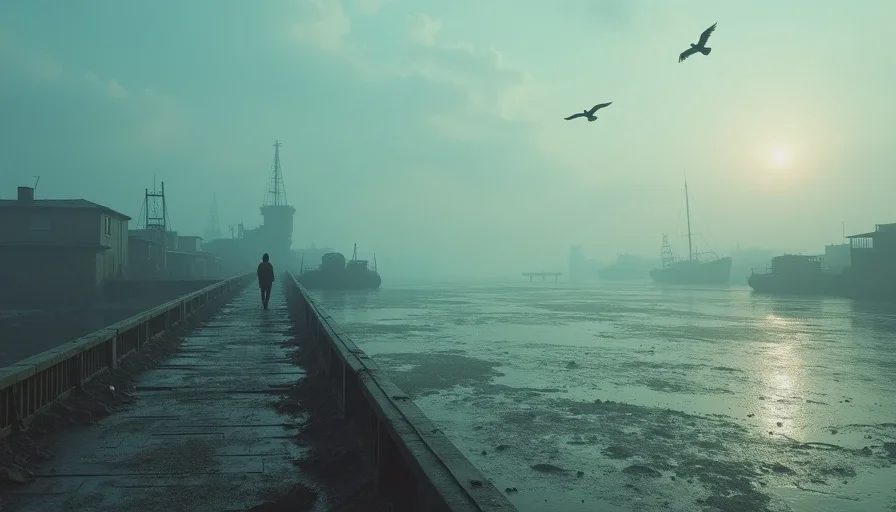
Every game worth reviewing leaves something behind after the credits. Emberline leaves a soundtrack I have been walking to at night, a half-dozen screenshots I will keep, and a persistent itch to find every shrine I skipped. The four questions I keep in my notebook — what does this game want, what does it refuse, what does it waste, what remains — have clean answers here. It wants patience. It refuses to trust that patience. It wastes its own richest material. And what remains is a gorgeous, uneven game I am glad I played and would never push on a friend with one free evening a week.
If you are weighing this purchase the way people weigh things in a AAA game review blog's comment section — against your money, your evening, your patience — here is the short version:
If you have a long stretch of time coming up, buy it now. Play on Rook, and play the opening in one sitting.
If you game in short sessions, wait for a patch or a sale. The game is not going anywhere, and the used market will solve the confidence problem for you.
If you only care about the world and the mood, watch the first five hours before buying — the opening is the honest advertisement.
If you are on console, check the current patch notes before purchase; the harbor performance issues were still being worked on as of this writing.
That is the verdict, and it is the same verdict I would give in any edition of this column: Not every good game is worth your time. Emberline is a good game. For the right player, in the right season, it is worth every hour. For everyone else, the beautiful parts will keep — and they will keep just as well next spring.





No feedback yet — submit the first.