
The sentence has become a working rule rather than a slogan. After more than a decade assigning, editing, and rewriting launch reviews, I stopped treating competence as an automatic claim on a player’s hours. Thoughtful game reviews still need to separate craftsmanship from residual value. Not every good game is worth your time, and the distinction matters more now than it did when the calendar felt less crowded.
I live in Madison and write independently. The distance from day-one pressure has clarified something that was harder to say inside a newsroom: a game can be well made, fair, and even enjoyable in stretches, and still fail the simpler test of whether it earns a lasting place in a limited life. The players I write for are adults with finite attention. They do not need another score. They need a clearer sense of what remains after the initial impression fades.
Competence Is Not the Same as Claim
Most modern releases clear a basic threshold of competence. Controls respond. Systems function. Production values meet expectations for the budget. That baseline is real, and it should be acknowledged. It is not, however, a sufficient reason to recommend the investment of twenty or forty or eighty hours.
Where the Confusion Lives
Coverage culture still tends to treat solid execution as an automatic positive. A game that avoids major technical failure and delivers on its stated premise often receives language that implies it deserves the player’s full attention. The leap from “this works” to “this is worth living with” is rarely examined. The result is a steady stream of recommendations that track surface quality more carefully than residual meaning.
I keep four prompts at the top of every notebook page: What does this game want? What does it refuse? What does it waste? What remains? The third and fourth questions do more work than the first two once the novelty window closes. A game that wastes little and leaves something specific in memory earns a different kind of recommendation than one that simply avoids embarrassment.
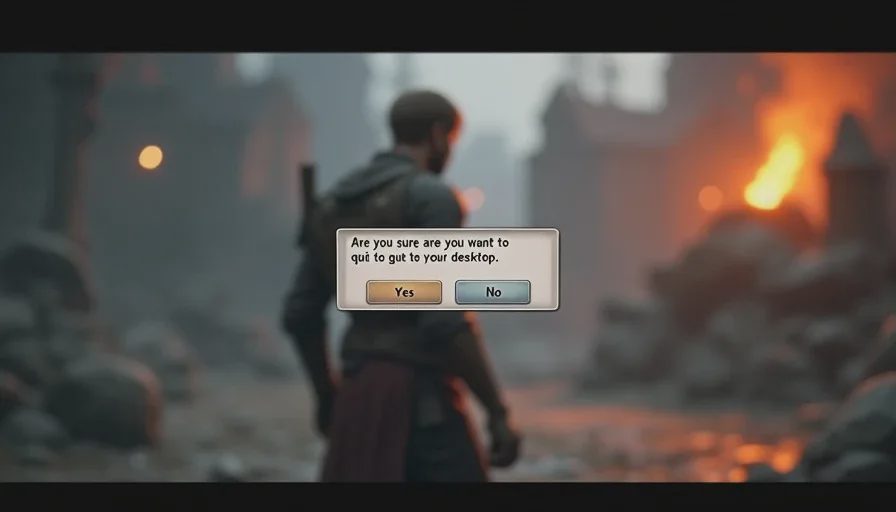
Practical Criteria for the Time Test
Here is the working set of criteria I use when deciding whether a good game still justifies the hours:
Criterion | Positive Signal | Caution Signal |
|---|---|---|
Residual memory | Specific scenes or decisions stay present | Only general “it was fine” remains |
Structural honesty | Design admits its own limits | Design pretends every system is essential |
Attention cost | Hours feel earned by new insight or feeling | Hours feel spent maintaining presence |
Exit freedom | Player can leave without unfinished-business guilt | Completion percentage or checklist pressure |
Voice consistency | Tone and systems reinforce each other | Systems and tone drift apart mid-campaign |
These are not absolute filters. They are habits of attention. They help separate the games that merely function from the ones that still occupy mental space weeks later.
The Adult Player Constraint
The primary reader for this site is an adult who still cares about games but no longer has infinite patience. That constraint changes the math. A title that would have been an easy recommendation at twenty-two can become a harder case at thirty-five. The difference is not snobbery. It is the recognition that time has become the scarcer resource.
I do not mock players who finish everything. I simply refuse to pretend that finishing is always the rational choice. Some good games are better left partially experienced. Some are better skipped entirely once the pattern becomes clear. The editorial job is to say so without performance or apology.
How the Phrase Functions in Practice
The signature line is not a dismissal of craft. It is a refusal to let craft automatically claim the player’s calendar. When I write that a game is good but not worth the full investment, I am usually pointing to one of three patterns:
The design is coherent but thin. It executes a clear idea without expanding it.
The design is dense but wasteful. It asks for more attention than it returns in insight or feeling.
The design is competent but interchangeable. It occupies space that a more distinctive work could have filled.
In each case the recommendation is narrower than a traditional score would suggest. The player is invited to sample, or to wait, or to choose something else. That invitation is the actual service.
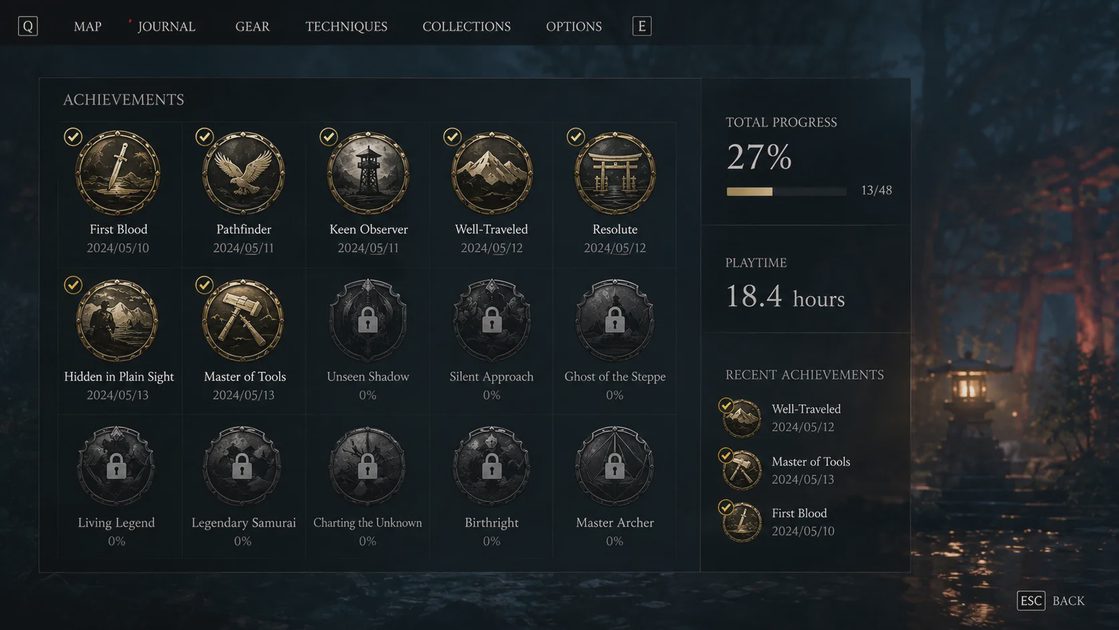
Why Independent Criticism Still Needs the Line
Mainstream outlets have structural reasons to stay closer to the positive side of competence. Independent writing has fewer of those pressures. It can afford to treat the player’s time as the primary constraint rather than the release calendar. That is the gap this site tries to occupy.
I left the churn of day-one coverage because I was tired of arranging adjectives around titles that would not survive a second look. The quieter standard is harder to market and easier to live with. Not every good game is worth your time. The ones that are worth it usually announce themselves by what they refuse to waste and by what they leave behind after the screen goes dark.
The phrase is not a conclusion. It is a starting filter. Everything else—structure, pacing, tone, residual memory—gets measured against it. When the filter holds, the remaining work becomes clearer. When it does not, the honest response is to say so and move on.





No feedback yet — submit the first.