
I spent more than a decade in games media, the last few years as a reviews editor, and the conversation I had most often was never about a specific game. It was about the language we use for games. If you run a games criticism blog, you know the pressure exactly: a major release arrives, the embargo lifts, and for one week the internet is a slurry of the same three adjectives. My job, then and now, is to notice when a sentence is describing a game and when it is only describing the moment around the game. This essay is an editor's note from the margin, about why we keep flattening "masterpiece" into a participation award. Not every good game is worth your time, and almost none of them are helped by being called a masterpiece.
What "Masterpiece" Meant Before We Cheapened It
The word used to carry a claim about influence, not about quality. A masterpiece was a work that changed what the medium could attempt, not merely one that executed its checklist cleanly, and a games criticism blog that forgets the difference has nothing left to defend.
A Working Definition Instead of a Trophy
Here is the definition I use when I edit other people's drafts. A masterpiece is a game where craft, structure, and emotional intent align so completely that the result becomes a reference point other designers argue with for a decade. By that standard, most of us can name perhaps a dozen games from the last twenty years. That is not snobbery; it is arithmetic. If everything is a masterpiece, the word stops describing anything at all, and thoughtful game reviews become indistinguishable from box quotes.
The Structural Test
When I write, I run every "masterpiece" through a structural test:
Does the pacing serve the theme, or does it just move you from mechanic to mechanic?
Does the difficulty curve teach something the story never says out loud?
Does the ending recontextualize what came before, or does it simply stop?
Would the game still matter if you removed the set dressing?
A competent game fails none of these badly. A masterpiece passes all of them and then does something the list cannot capture.
Four Prompts I Keep in My Notebook
I keep four questions on a notebook page, the same page for years now, the same page I open before I write any review:
What does this game want?
What does it refuse?
What does it waste?
What remains?
The third prompt is the one that separates honest criticism from marketing copy. Every game wastes something — time, systems, a character, a premise — and a thoughtful game review can name the waste without pretending the work is ruined. The refusal is the most interesting part: the hard boundary a game sets, sometimes to its credit, sometimes to its doom.

Craft Alone Was Never the Bar
Technical competence is the price of admission, not the prize. The drafts that frustrated me most as reviews editor were the ones calling a game a triumph because the shooting felt good or the menus were fast, and editorial game reviews should know better than to mistake polish for voice.
Competence Is the Baseline, Not the Point
I want to be fair to competent games, because the internet has made competence sound like a dirty word. It is not. A game that runs cleanly, controls predictably, and respects your time is a genuine achievement, and studios that ship that reliably deserve every dollar they earn. But there is a difference between admiring a craftsman and mistaking him for a visionary, and the industry has started conflating the two. A games criticism blog earns its keep by making that distinction in public rather than waiting for consensus to make it safe. The editorial game reviews that still matter to me are the ones willing to be wrong about the consensus.
What Competence Includes
Here is what I actually check when a game is merely competent, and what would need to change to move it toward mastery:
Quality | What competence looks like | What mastery looks like |
|---|---|---|
Pacing | No dead stretches, no wasted hours | Rhythm reinforces the theme |
Tone | Consistent, no jarring shifts | Tone becomes the argument itself |
Systems | Function as advertised | Systems make you ask a question about yourself |
Story | Told clearly, ends cleanly | Story changes how you read the early hours |
The left column is an honest compliment. The right column is a different species of achievement, and the gap between them is where my editing happens.
The Difficulty Fallacy
One more note on how we talk about craft: difficulty, length, and budget are not virtues. A 60-hour campaign is not more important than a 6-hour one, and a brutal boss is not automatically meaningful. I have seen thoughtful game reviews drowned in comments demanding to know "how long" the game is, as if duration were a verdict. It is a data point. It tells you almost nothing about whether the work matters, and it tells you nothing about whether the hours were earned.
Why We Keep Calling Competent Games Masterpieces
The pressure is structural, and naming it is half the fight. The word became a marketing tool because the release-week economy rewards exaggeration, and a games criticism blog that resists that economy is the one readers return to.
The Release-Week Machine
Nobody wakes up wanting to overpraise. But the calendar is a machine: a new release every week, and a fresh draft demanding a verdict before anyone has finished a second playthrough. Reviewers, myself included, have filed thousands of words on 80-hour games after a single weekend. That context produces vocabulary inflation. When you are unsure, the safest word sounds like certainty, and "masterpiece" is the safest word there is. A games criticism blog written on deadline reaches for it the way a tired hand reaches for a cliché.
The Hype-Sickness Checklist
When I still edited, I ran every big-release draft through the same checklist:
How many adjectives are doing work a screenshot could do?
Is "masterpiece" or "instant classic" carrying the conclusion instead of evidence?
Would the paragraph survive if you dropped in a different title?
If the paragraph would survive with another name in it, you wrote about the genre, not the game. That is coverage, not criticism, and readers of new game reviews for adults can tell the difference faster than editors give them credit for.
The Discipline of Staying Boring
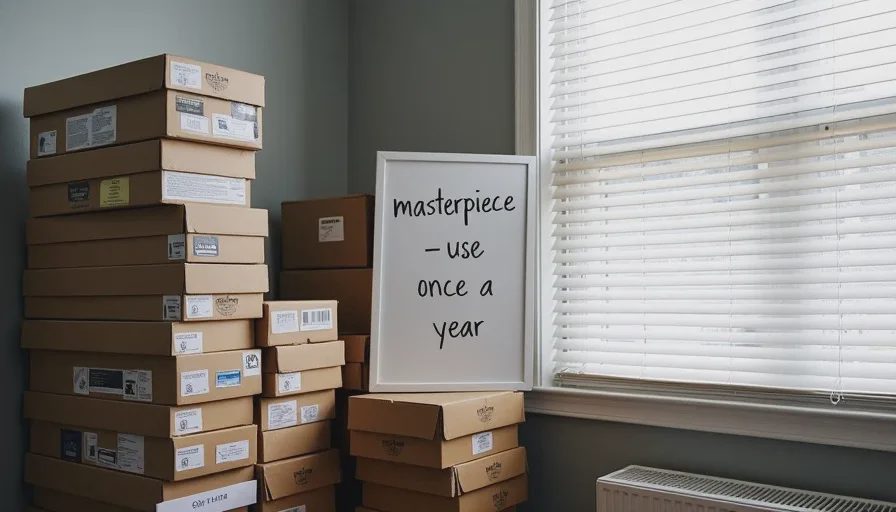
Here is the practical advice, and it is deliberately unglamorous. Use "masterpiece" once a year, at most. Write your recommendation before you write your verdict. Spend a paragraph on what the game refuses to do before you praise what it attempts. If you are writing new game reviews for adults, restraint is the feature, not the bug — your audience has been burned by hype enough times to prize calibration over enthusiasm. A newsletter, a podcast, or a games criticism blog lives or dies on trust, not on being first, and the readers who stay are the ones who learned that your enthusiasm is measured. That is how you build a short list of games worth your time instead of a long list of games you cannot defend a year later.
Not every good game is worth your time. But every good game deserves a critic who will tell the truth about what it is, instead of what the calendar wants it to be.





No feedback yet — submit the first.